

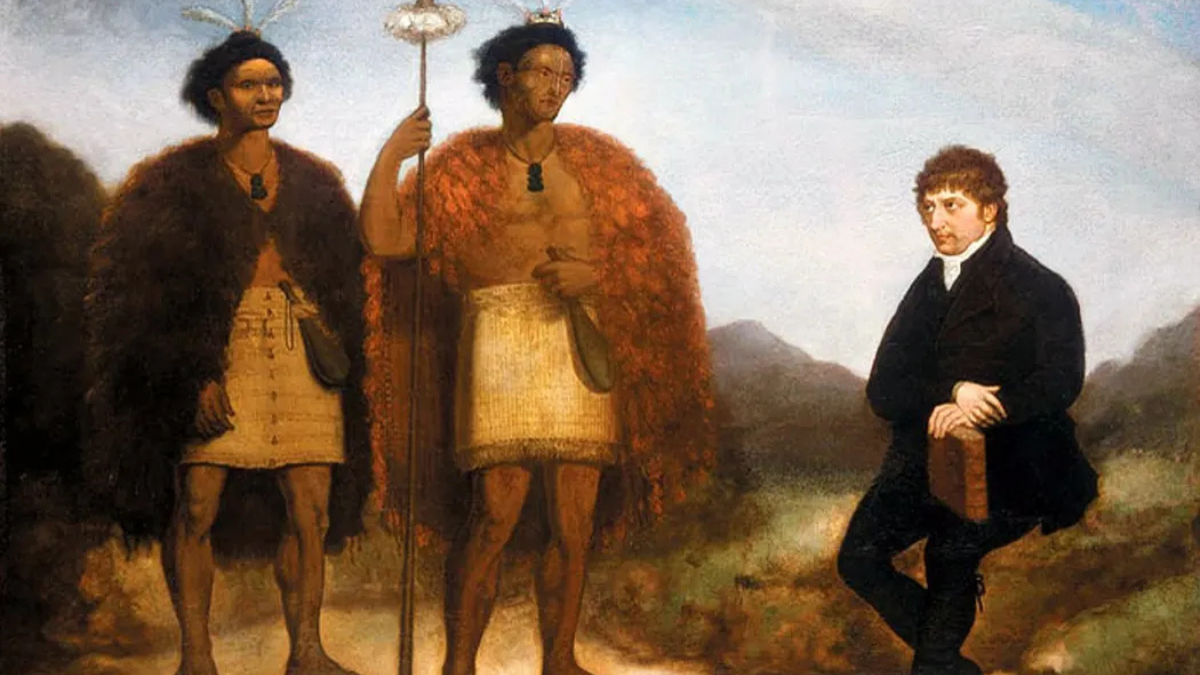
With humans arriving relatively late compared to other habitable landmasses. Polynesian settlers, known as Māori, arrived and developed a distinct culture between 1280 and 1350 AD. European arrival began in 1642 with Abel Tasman's sighting, followed by James Cook's exploration in 1769. The Treaty of Waitangi, signed in 1840, established British sovereignty and is a foundational document in New Zealand's history, though it also led to conflict and land confiscations. New Zealand became a dominion in 1907 and gained full independence in 1947.
Early Māori History:
Māori arrived in New Zealand from other parts of Polynesia, likely around 1280-1350 AD, bringing their culture and traditions.
They established a complex society centered around kinship, connection to the land, and adapted to the temperate environment.
Māori developed a sophisticated culture with unique art, architecture (like wharenui, meeting houses), and social structures.
European Arrival and Colonization:
Dutch explorer Abel Tasman was the first European to sight New Zealand in 1642.
British explorer James Cook mapped the islands in 1769 and claimed them for Britain.
The Treaty of Waitangi, signed in 1840, is a crucial document that established British sovereignty but also led to conflicts over land and resource ownership.
The treaty is considered New Zealand's founding document and is celebrated at the Waitangi Treaty Grounds.
Large-scale European settlement followed, resulting in significant social, political, and economic changes.
19th and 20th Centuries:
Conflicts between Māori and the colonial government, known as the New Zealand Wars, led to land confiscations and displacement of Māori.
New Zealand became a dominion in 1907, signifying a move towards greater self-governance.
World War I and World War II saw New Zealanders fighting alongside the British, fostering a sense of national identity.
The country gained full statutory independence in 1947.
The 20th century also saw significant economic and social changes, including industrialization and diversification of the economy.
The relationship between Māori and the Crown continues to evolve, with ongoing discussions and debates about land rights, cultural preservation, and treaty settlements.
Modern New Zealand:
New Zealand has become a multicultural nation with a diverse population.
Tourism plays an increasingly important role in the economy.
Social and cultural gaps between Māori and other New Zealanders have decreased since the 1970s, though economic and educational disparities persist.
The country continues to grapple with issues related to race, identity, and the legacy of colonization.