
NZ Has Two Main Islands One Country, New Zealand consists of the North Island (more populous, volcanic, cities like Auckland and Wellington) and the South Island (known for its mountains, lakes, and dramatic scenery). Both are stunning but very different.
English is Official (with Māori),
English is the dominant language, but Te Reo Māori is also an official language. You’ll see Māori names for towns, landmarks, and public services. Basic Māori words like “kia ora” (hello) are widely used.
Laid-back, Friendly Culture,
Kiwis (as New Zealanders are called) are known for being easygoing, humble, and friendly. The culture is informal, first names are used even in professional settings, and politeness is important.
Strong Indigenous Influence,
The Māori culture is deeply integrated into national identity. You’ll encounter haka (war dance), marae (meeting grounds), and Māori myths and customs. Respect for Māori traditions is expected.
Driving is on the Left, Like the UK and Australia, Kiwis drive on the left side of the road. Road trips are popular, but roads can be winding, especially in the South Island.
Weather is Unpredictable,
New Zealand weather can change quickly “four seasons in one day” is a real thing. Pack for all conditions, especially if you're heading into the outdoors.
Driving is on the Left, Like the UK and Australia, Kiwis drive on the left side of the road. Road trips are popular, but roads can be winding, especially in the South Island.
Outdoor Paradise,
New Zealand is world-famous for its nature hiking (tramping), skiing, beaches, glaciers, and adventure sports like bungee jumping and skydiving. Nature is a big part of Kiwi identity.
Biosecurity is a Big Deal,
NZ has strict biosecurity laws to protect its unique ecosystem. At the airport, you must declare food, outdoor gear, and plant/animal items. Fines for violations are hefty.
Coffee and Food Culture, New Zealand has an excellent coffee scene (flat white originated here) and fresh, diverse cuisine food like seafood, lamb, and strong farm-to-table culture. Wine regions like Marlborough are world-renowned.
Sheep, Yes, Also Tech and Film, Yes, there are more sheep than people (about 5:1), but NZ is also a hub for film (thanks to Peter Jackson’s Lord of the Rings), innovation, and sustainability. It's not just farms and fjords.
Getting around New Zealand, Whether you want to self-drive, fly, join a tour, or hop on a bus or train, there are plenty of options for getting around New Zealand.
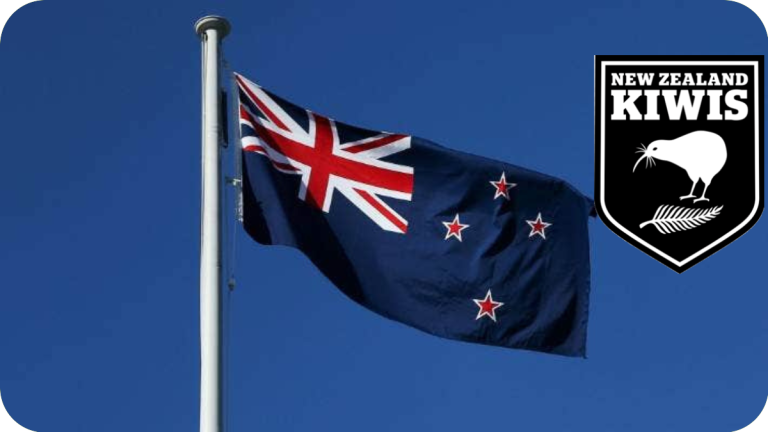
The name ‘kiwi' comes from the curious little flightless bird that is unique to New Zealand.
Māori people have always held the kiwi bird in high regard. Their feathers were used to make ‘kahu kiwi', valuable cloaks worn by tribal chiefs.
In the early 1900s, cartoonists started to use images of the kiwi bird to represent New Zealand as a country.
During the First World War, New Zealand soldiers were referred to as ‘kiwis', and the nickname stuck.
Eventually, the term Kiwi was attributed to all New Zealanders, who proudly embraced the moniker. Just like the bird, New Zealanders are unique, adaptable and a little quirky.

When you witness a live haka, be prepared for a powerful and emotive experience that will stay with you long after it’s over. An ancient Māori war dance, the haka is traditionally performed by men before going to war and is a commanding display of a tribe’s pride, strength and unity. Wrist-slapping, foot stamping, tongue thrusting, eye bulging – it’s all part of the fascinating and fierce tradition that is still used today during Māori ceremonies, and celebrations including birthdays and weddings. The haka is also performed during cultural performances which is included in our
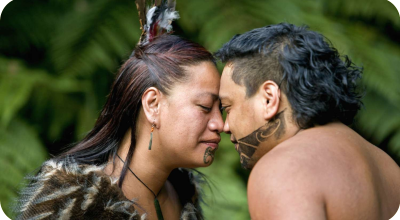
The hongi is an ancient and revered Māori greeting and can be translated to the sharing of breath – a beautiful and intimate gesture of two people pressing their noses and foreheads together. If you are invited to share in this sacred act, then it signifies that you are no longer a visitor and have become a part of the whānau (family).
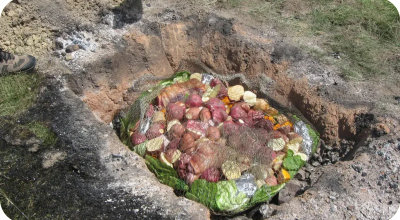
If you’re lucky enough to partake in a hangi, then you’re in for a real feast that includes ingredients like chicken, beef, potato, kumara, and carrots. The hangi is roughly translated as an earth oven – a traditional Māori cooking method that involves preparing food in an underground pit oven. Remember that it’s important to wait to eat until a blessing has been made by your host.
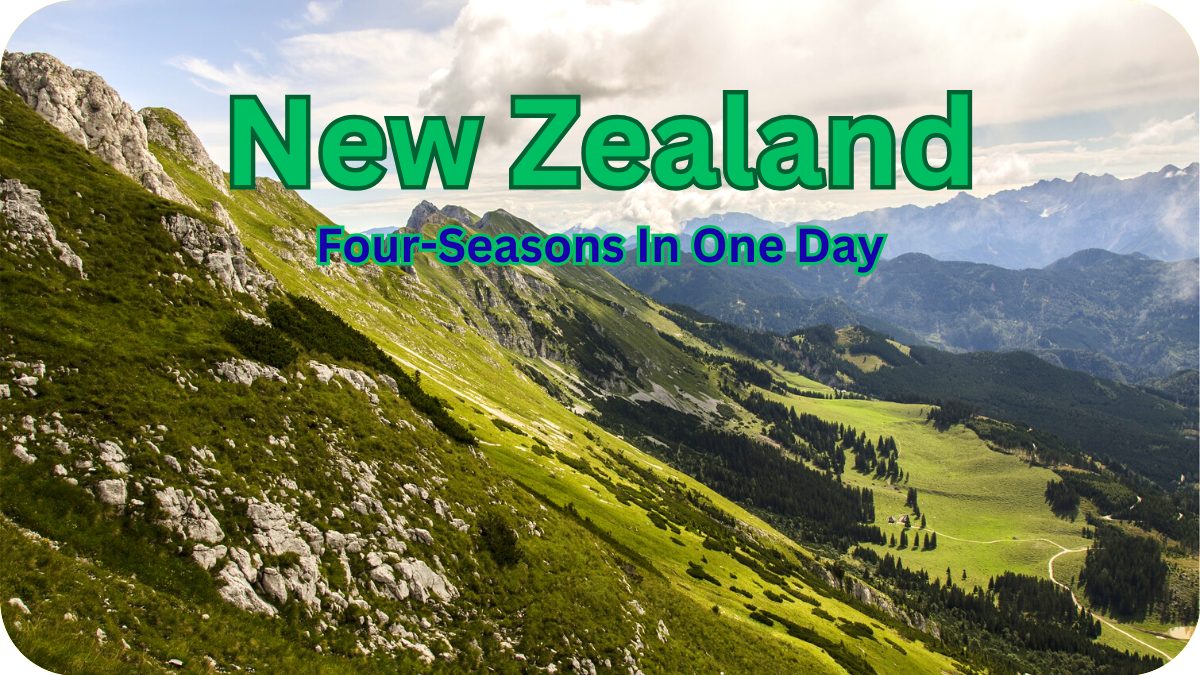
The saying “four seasons in a day” in New Zealand refers to the country's notoriously changeable weather, where conditions can shift rapidly from warm and sunny to cold and rainy within a short period. This phenomenon is attributed to New Zealand's unique geography, with its long coastlines, mountain ranges, and position in the Southern Hemisphere.
New Zealand's diverse landscape, including the Southern Alps and surrounding oceans, plays a significant role in creating the “four seasons in a day” effect.
The weather can shift quickly, with sunny skies one moment and then a sudden downpour or even snow in higher altitudes.
While the saying applies broadly, some areas experience more pronounced changes than others. The North Island generally has milder, more humid weather, while the South Island can be colder and experience more extreme weather events.
Due to the unpredictable weather, it's crucial to pack layers when visiting New Zealand, including warm clothing, rain gear, and sturdy shoes.
While spring is known for its changeable weather, the “four seasons in a day” phenomenon can occur throughout the year.
Sweet As, The meaning of sweet as sums up the truly laid-back attitude of New Zealanders. It can mean “thank you”, “it's all good”, “no worries”, “you're welcome.
Yeah nah, Technically means no. “Yeah nah” is a common colloquialism in New Zealand that means yes I've considered what you're saying but my answer is no.
Dairy, Going to the dairy, is a common phrase in New Zealand and refers to the local corner shop or superette that remains open outside of normal shopping hours
Bach, Short for bachelor pad, “baches” (pronounced batches) are an iconic part of New Zealand and refer to family holiday homes.
Togs,Togs is the Kiwi word for swimmers or swimsuit. When heading to the beach in summer, togs and jandals (flip flops) are essential items.
Chur, The meaning of chur is essentially “thank you” You can use this classic Kiwi slang to show gratitude or appreciation.
Chilly Bin, A chilly bin is literally what it sounds like, a container that will keen something cold
Choice, A slang word to say something is excellent, great, or fantastic. “I had a choice dinner last night”
No worries, Similar to sweet as, no worries is the best way to describe Kiwis in general, they've got no worries, Kiwis are super laid back.
Wop-wops, Meaning, in the middle of nowhere, Used to describe a remote, isolated, or rural area, often far from cities or populated areas.
Heaps, A common way to say “a lot” Kiwis use “heaps” to emphasize abundance, whether talking about food, people, or anything else.
Keen, Commonly used to express enthusiasm, interest and eagerness about something. A word I personally use quite a lot when I'm excited about an activity.